South Slave
Around South Slave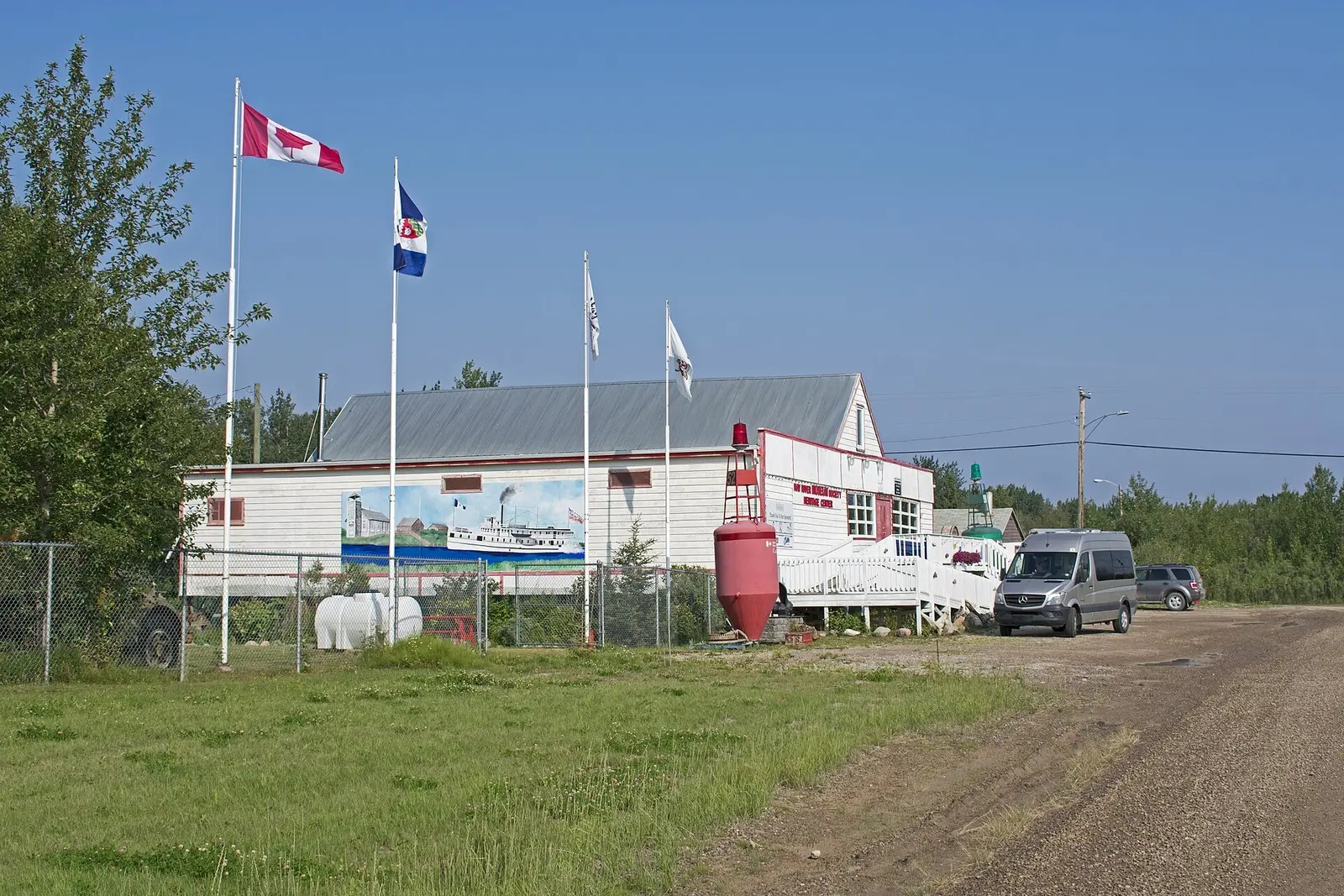
Photo: Ymblanter · CC BY-SA 4.0 · Wikimedia Commons
Countryside and towns · Northwest Territories · 6279 people
South Slave
Where the northern lights dance over the Slave River
Northern Sky BlueBoreal GreenAurora Purple
Welcome to the South Slave, where the rivers run wide and the northern lights paint the winter sky. Whether you're here for the fishing, the history, or the quiet of the boreal forest, you'll find a community that lives close to the land. Come share a bannock and a story by the fire.
Clubs for South Slave
No clubs for South Slave yet.
The room
One room for everyone around South Slave. It never closes; when it's busy it splits into tables. Once you're in, you stay until you leave.
Ask the neighbours
AllA good plumber, the best tacos, a lost cat: nobody has asked yet. Be the first.
Coming up
No events in the next month. Events made in the room show up here.
Marketplace
Things for sale, free and wanted, and rooms for rent, from people around South Slave. Sign in to sell something.
Things to do
- Wood Buffalo National Park (NT entrance) UNESCO site with boreal forest, salt plains, and whooping cranes.
- Northern Life Museum Displays local history, indigenous artifacts, and natural history.
- Fort Smith Mission Historic Site Remains of an early Catholic mission and residential school.
- Alexandra Falls A dramatic waterfall on the Hay River, great for photos.
- Louise Falls A scenic cascade on the Hay River near the territorial border.
- Hay River Waterfront Public dock and park at the mouth of the Hay River on Great Slave Lake.
- Outdoors Fishing for pickerel on the Hay River
- Outdoors Canoeing the Slave River
- With kids Visit the Northern Life Museum in Fort Smith
- With kids Picnic at Hay River Waterfront Park
- Evenings Legion hall dances
- Evenings Community centre movie nights
- Locals love Riverfront walking paths
- Locals love Fishing docks
Through the year
- Hay River Breakup Festival Spring (April–May) Celebrates the ice breaking up on the Hay River with games, food, and community spirit.
- Thebacha Days Summer (July) Fort Smith's summer festival with parades, live music, and family activities.
- Slave River Paddling Festival Summer (August) Canoe and kayak races and demos on the Slave River near Fort Smith.
South Slave has a subarctic climate with long, harsh winters and short, mild summers. The best times to be out are summer for fishing and hiking, and winter for aurora viewing and snow sports. Best: Summer (June–August) for warm days and fishing; winter (December–March) for aurora and snow sports.
Talk like a local
- “Thebacha”
- The Dene name for Fort Smith, used by locals.
- “Breakup”
- The spring ice melt on rivers and lakes.
- “Sukka”
- Dry meat (dried caribou or moose), a staple snack.
- “Muskeg”
- Swampy, mossy ground common in the boreal forest.
Getaways
- Yellowknife The territorial capital with museums, restaurants, and aurora tours.
- North Slave region Explore the barrens, Great Slave Lake communities, and more aurora spots.
- Dehcho region Visit Fort Simpson and the Mackenzie River, with rich Dene culture.
- Wood Buffalo National Park (Alberta side) See the world's largest dark sky preserve and whooping cranes.
Local flavour
Rooting for Edmonton Oilers, Calgary Flames
Eat and drink
- Bannock A simple, hearty bread cooked over an open fire or in a pan, a staple of the region's Indigenous and Métis communities.
- Pickerel (walleye) Freshwater fish from the Slave River and Great Slave Lake, often fried or baked.
- Caribou stew A warming dish made with wild caribou, potatoes, and root vegetables, reflecting the traditional hunting culture.
- Dry meat (sukka) Dried, smoked fish or meat, a traditional preserved food of the Dene people.
Where people go
- Riverbanks The shores of the Slave River and Great Slave Lake, central to life and travel.
- Boreal forest Vast spruce and pine forests that define the landscape.
- Aurora viewing spots Open areas away from town lights where the northern lights are best seen.
- Log cabins Traditional structures built from local timber, still used for trapping and recreation.
- Trading posts Historic and modern stores that serve as community hubs.
- Ice roads Seasonal winter roads over frozen lakes and rivers, connecting remote communities.
Make this page better
Know a place, a festival, a word locals use, or something here that's wrong? Suggest it; someone at Popchat checks every one.
Sign in and join a club here to suggest.
Nearby
Every areaRural Region 5, NT. Areas from the US Census Bureau and Statistics Canada; places from GeoNames. Local flavour was written with a model and may have mistakes. Team names identify teams; no endorsement.