Amos
Around Amos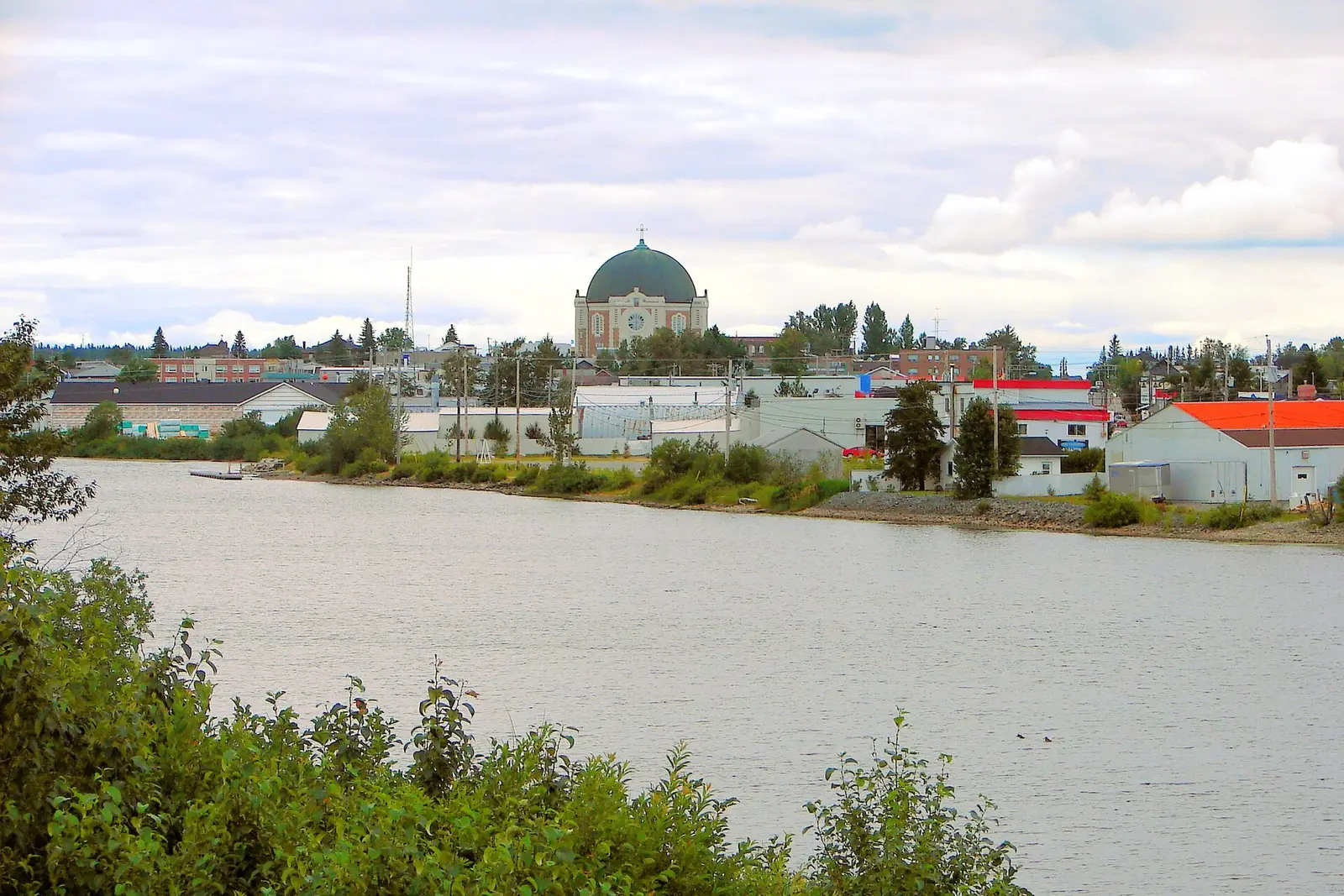
Photo: P199 · CC BY-SA 3.0 · Wikimedia Commons
Town and around · Quebec · 18k people
Amos
Locals say Abitibi
Heart of the Abitibi
Amos Forestiers redBoreal forest green
Welcome to Abitibi, where the boreal forest meets friendly small-town life. Whether you're here for the fishing, the hockey, or just to enjoy the quiet, you'll find a community that knows how to embrace the seasons. Come on in, grab a coffee, and join the conversation.
Clubs for Amos
No clubs for Amos yet.
The room
One room for everyone around Amos. It never closes; when it's busy it splits into tables. Once you're in, you stay until you leave.
Ask the neighbours
AllA good plumber, the best tacos, a lost cat: nobody has asked yet. Be the first.
Coming up
No events in the next month. Events made in the room show up here.
Marketplace
Things for sale, free and wanted, and rooms for rent, from people around Amos. Sign in to sell something.
Things to do
- Parc national d'Aiguebelle Provincial park with boreal forest and lakes.
- Harricana River Canoeing and fishing river running through Amos.
- Amos Forestier Arena Home ice of the Amos Forestiers hockey team.
- Lac Preissac Popular lake for swimming and fishing near Preissac.
- Outdoors Canoeing on the Harricana River
- Outdoors Hiking in Parc national d'Aiguebelle
- With kids Picnic at Lac Preissac
- With kids Visit a sugar shack in spring
- Evenings Hockey games at the Amos Forestier Arena
- Evenings Live music at local bars
- Locals love Sugar shacks
- Locals love Boreal forest lodges
Through the year
Amos has a continental climate with long, cold winters and short, mild summers. The best time to be out is from June to September when temperatures are comfortable. Spring brings mud and maple syrup season, summer is warm with mosquitoes, fall is crisp and colorful, and winter is snowy and ideal for outdoor sports. Best: June to September
Talk like a local
- “Abitibi”
- The region itself, often used as a shorthand for home.
- “Bleuet”
- Blueberry, a common wild fruit and nickname for locals.
- “Cabane à sucre”
- Sugar shack, a springtime gathering spot.
- “Forestier”
- Relating to the Amos hockey team, also a nod to the forest.
Getaways
- Val-d'Or Mining city with the Cité de l'Or attraction.
- Rouyn-Noranda Larger city with festivals, lakes, and arts scene.
- Timmins Ontario mining town across the border.
Local flavour
Teams
- Amos Forestiers LHJAAAQ
Eat and drink
- Poutine Quebec-wide staple, ubiquitous in local casse-croûtes
- Tourtière Traditional Quebec meat pie, often served during the holidays
- Sugar pie (tarte au sucre) A sweet maple or brown sugar dessert common in Quebec
Where people go
- Sugar shacks (cabane à sucre) Seasonal maple syrup operations common across Quebec
- Boreal forest lodges Remote fishing and hunting camps on the region's many lakes
- Mining towns The Abitibi region is historically rooted in gold and base metal mining
Heritage and traditions
Amos and the Abitibi region take pride in their rugged frontier heritage, where the resilience of French-Canadian settlers, the enduring presence of the Cree and Algonquin First Nations, and the boom-and-bust of mining and forestry have forged a close-knit, outdoors-loving community.
This time of year in Amos
- Hunting season fall Fall is for moose and partridge hunting, a family tradition.
Say it like a local: “C'est le fun” — it's fun
Festivals
- Fête nationale du Québec (Saint-Jean-Baptiste) June 24 Bonfires, concerts, and street parties across the region on June 24.
- Waswanipi Cree Nation Pow Wow summer Traditional dancing, drumming, and Cree crafts in the summer.
Landmarks with a story
- Cathédrale Sainte-Thérèse-d'Avila A striking Roman Catholic cathedral built in the 1920s, symbolizing the town's founding.
- Waswanipi Cree Cultural Centre Showcases Cree history, language, and traditions in the community.
- Old mining sites around Lebel-sur-Quévillon Remnants of the region's mining boom, including headframes and equipment.
- Amos railway station Built in the early 20th century, it was a gateway for settlers and goods.
- Preissac church A small rural church reflecting the parish life of early settlers.
Food traditions
- Cipâte A hearty meat pie with potatoes and onions, a staple of Abitibi home cooking.
- Pâté chinois Quebec's shepherd's pie, often made with corn, potatoes, and ground beef.
- Bannock Cree fried bread, often served with wild berries or smoked fish.
- Smoked whitefish A local delicacy from the lakes and rivers, often eaten as a snack.
- Maple syrup season Visiting sugar shacks for 'tire sur la neige' (maple taffy on snow) in spring.
Music and arts
- Quebec folk music and 'turlutte' (mouth music) Traditional songs and mouth music are still performed at gatherings.
- Cree drumming and singing Important at pow wows and community events, preserving oral traditions.
- Country music Popular in rural areas, with local bands playing at festivals and bars.
- Boîtes à chansons (song clubs) In the 1960s and 70s, these venues launched many Quebec singers.
A little history
- 1914 Founding of Amos by Father Hector Authier and settlers
- 1920s Gold rush in the Abitibi region, leading to mining towns and a population boom
- 1930s Construction of the National Transcontinental Railway through the region
- 1950s Development of forestry and pulp mills in Lebel-sur-Quévillon
- 1970s Matagami became a staging point for the James Bay hydroelectric project
Rivalries
- Amos vs Val-d'Or Hockey rivalry between neighbouring towns.
- Amos vs Rouyn-Noranda Friendly competition in junior hockey.
- Game day Cheering on the Amos Forestiers
- Game day Ice fishing derbies
- Outdoors Snowshoeing in the boreal forest
- Outdoors Dog sledding
- With kids Making 'tire sur la neige' at a sugar shack
- With kids Visiting the Cree community of Waswanipi
Locals speak a distinctive Quebec French with a strong accent, often mixing in English mining terms and a few Cree words. The rhythm is fast and the vowels are nasal, and you'll hear expressions like 'ben là' and 'jaser' frequently.
Only here
- The 'Abitibi' brand of paper was once produced in the region, a nod to its forestry roots.
- Matagami is the last town before the James Bay road, a gateway to the north.
- The region has one of the lowest population densities in Quebec, offering vast wilderness.
- Waswanipi is the only Cree community in the region, with a strong traditional lifestyle.
New here? A few tips
- Learn some French; it's the primary language, and locals appreciate the effort.
- Prepare for long, cold winters; invest in a good winter coat, boots, and a vehicle with winter tires.
- Explore the outdoors—there are endless trails, lakes, and rivers for hiking, fishing, and snowmobiling.
- Try local foods like cipâte, smoked fish, and maple taffy at a sugar shack.
- Be respectful of Cree culture and traditions; visit the cultural centre in Waswanipi to learn more.
Make this page better
Know a place, a festival, a word locals use, or something here that's wrong? Suggest it; someone at Popchat checks every one.
Sign in and join a club here to suggest.
Nearby
Every areaVal-d'OrQuebecA golden land of forests and lakesRouyn-NorandaQuebecWhere the north begins, and hearts stay warm.AbitibiQuebecWhere the forest meets the gold.Timiskaming DistrictOntarioLakes, pines, and northern skies.TémiscamingueQuebecBig skies, deep lakes, and the quiet hum of the north.TimminsOntarioWhere the north begins and gold flows
Amos. Areas from the US Census Bureau and Statistics Canada; places from GeoNames. Local flavour was written with a model and may have mistakes. Team names identify teams; no endorsement.